“Truly I tell you: whenever you did these things for one of these least of my brothers and sisters, you did them for me” (cf. Mt 25:40)
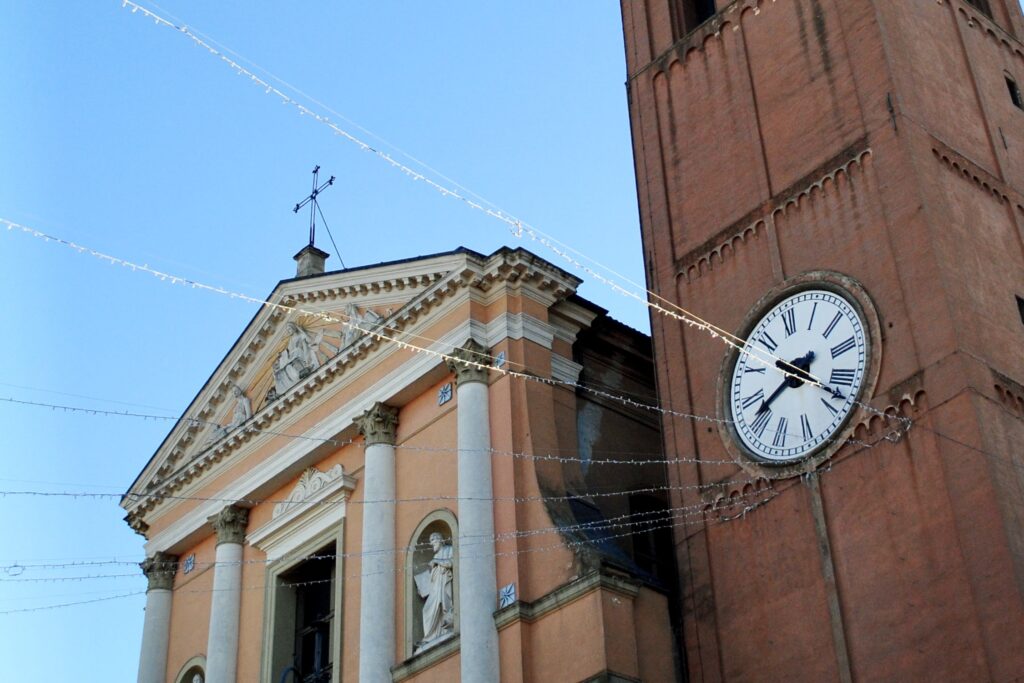
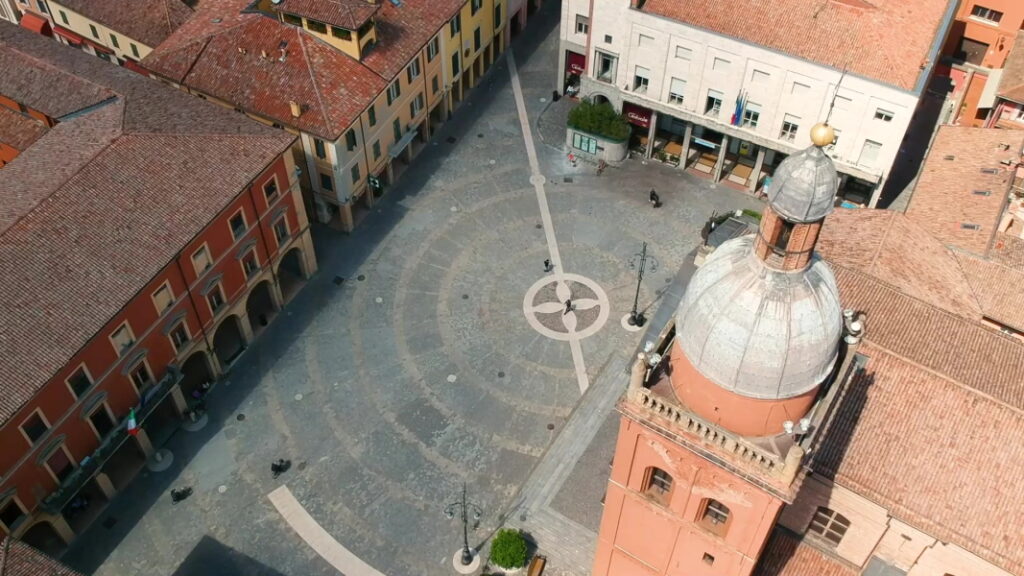
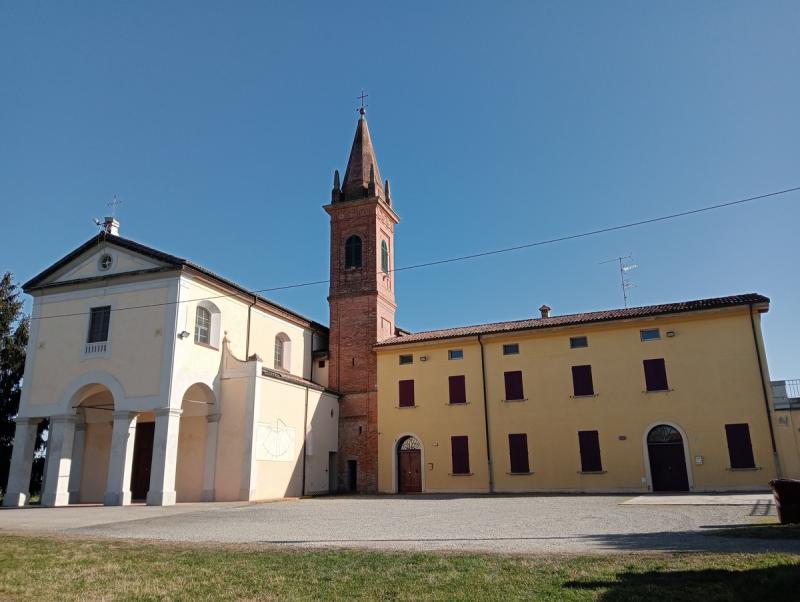
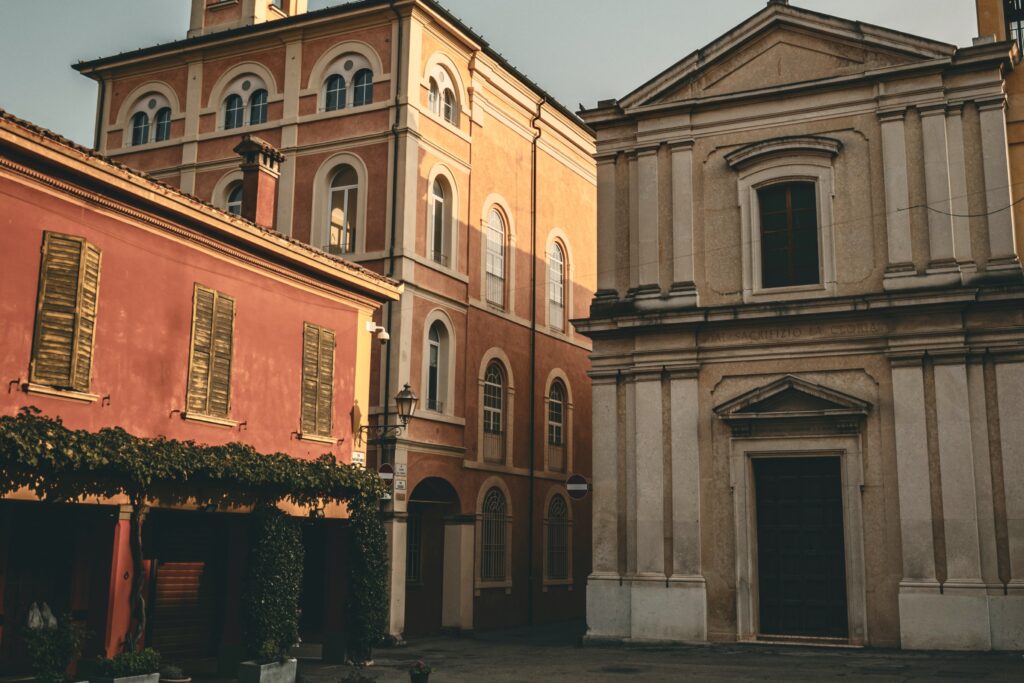
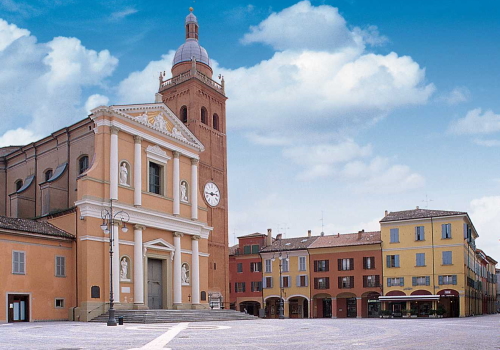
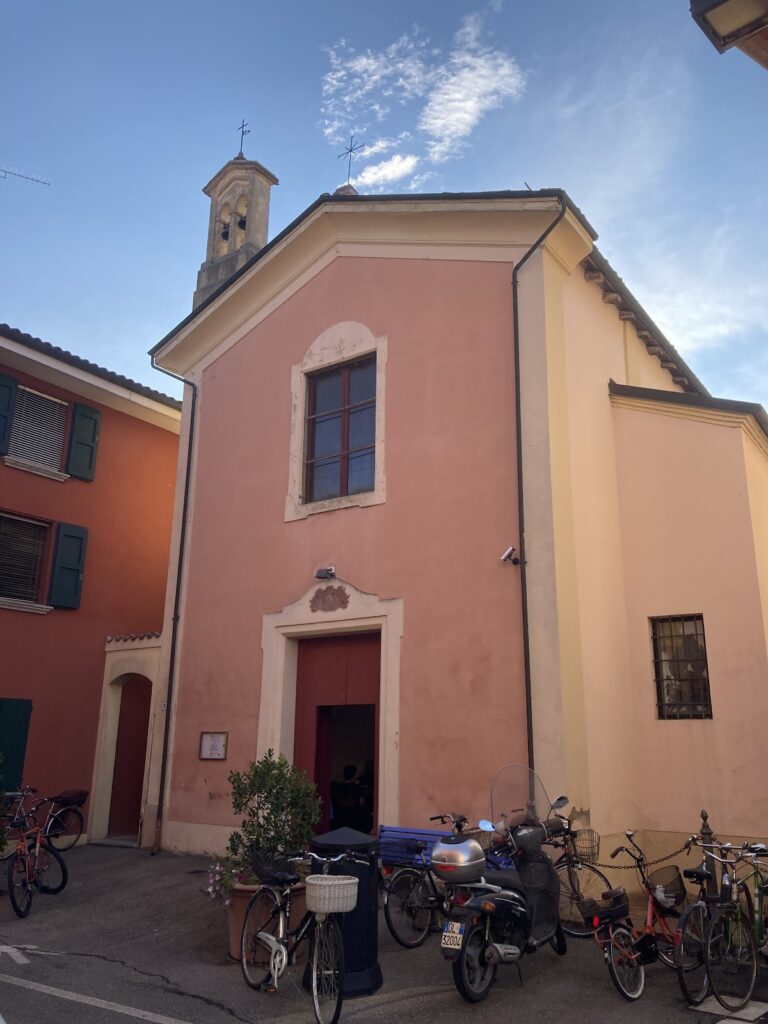
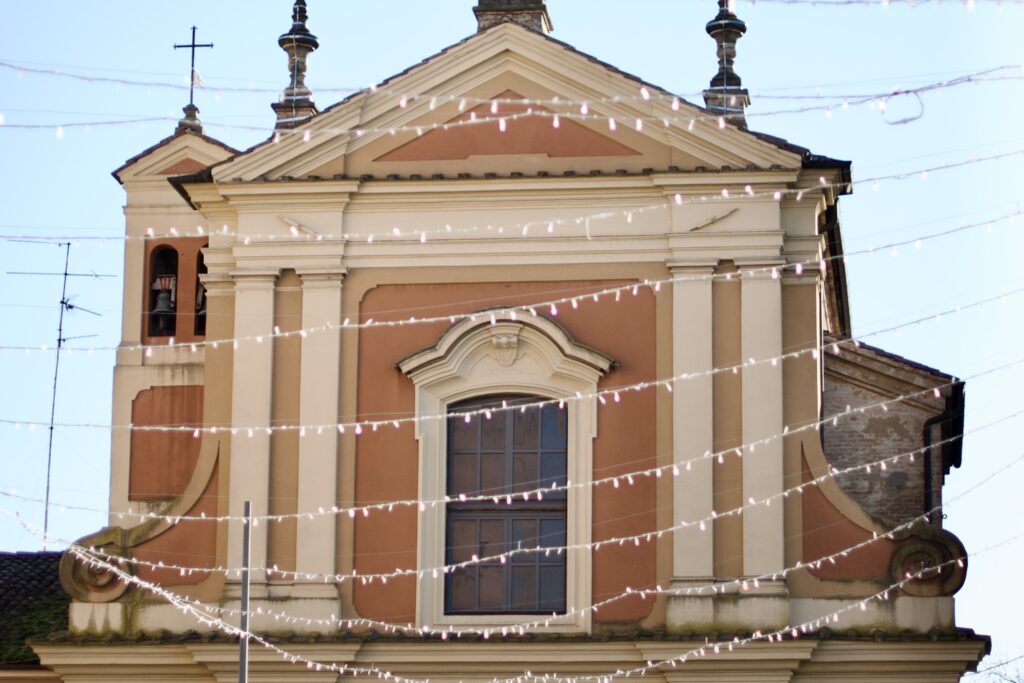
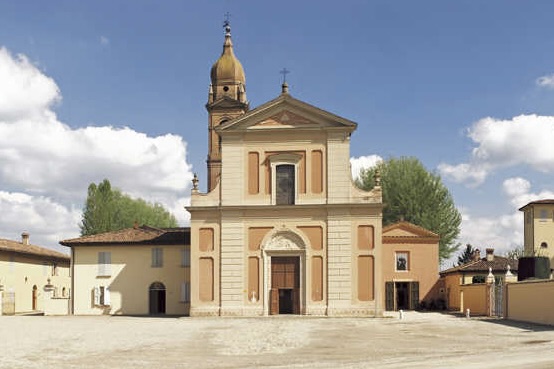
The Palazzo SS. Salvatore, together with the Church of the Blessed Virgin of the Belt, occupies the entire eastern side of Piazza Garibaldi, its grandeur reviving a renewed 18th-century classicism, the anonymity of all the other buildings, which since the post-war period have replaced the old dwellings that once stood on the remaining sides of the square.
Construction began in 1734 based on a design by the architect Giuseppe Civolini, when the 12 governors – formerly the administrators of the Ospedale dei Pellegrini (opened in 1726 in Borgo Rotondo, on the street now known as Via Pellegrini) – decided to provide the community with a facility suitable for accommodating the infirm and the sick, who until then had been left to the modest and inadequate care provided by the Confraternity of Santa Maria della Scoppa.
The new hospital for the infirm, dedicated to the Most Holy Saviour, faced a troubled period of financial hardship, partially alleviated by private and institutional donations, and political and military crises linked to the War of the Polish Succession, before finally reaching full capacity in 1768, when it began to admit all patients suffering from “acute illnesses”.
For the sake of completeness, mention should be made of the contributions made towards its construction by Professor Marcantonio Collina Sbaraglia, the Counts of Castelli, Benedict XIV and, above all, the substantial bequest made by Canon Brunone Bruni in 1767, to which was added in 1797 the transfer of the assets of the aforementioned Ospedale dei Pellegrini, which was dissolved in that year.
Following a brief period under the Napoleonic-style Kingdom of Italy (during which the hospital was entrusted to the Congregation of Charity), the hospital’s management regained its administrative autonomy in 1814, albeit under the supervision of the Higher Ecclesiastical Authority.
The establishment of the new Kingdom of Italy led to the creation of a New Congregation of Charity (chaired by the Mayor during its provisional phase), upon which the 1862 Act entrusted the administration of all the municipality’s charitable institutions, and therefore also that of our hospital.
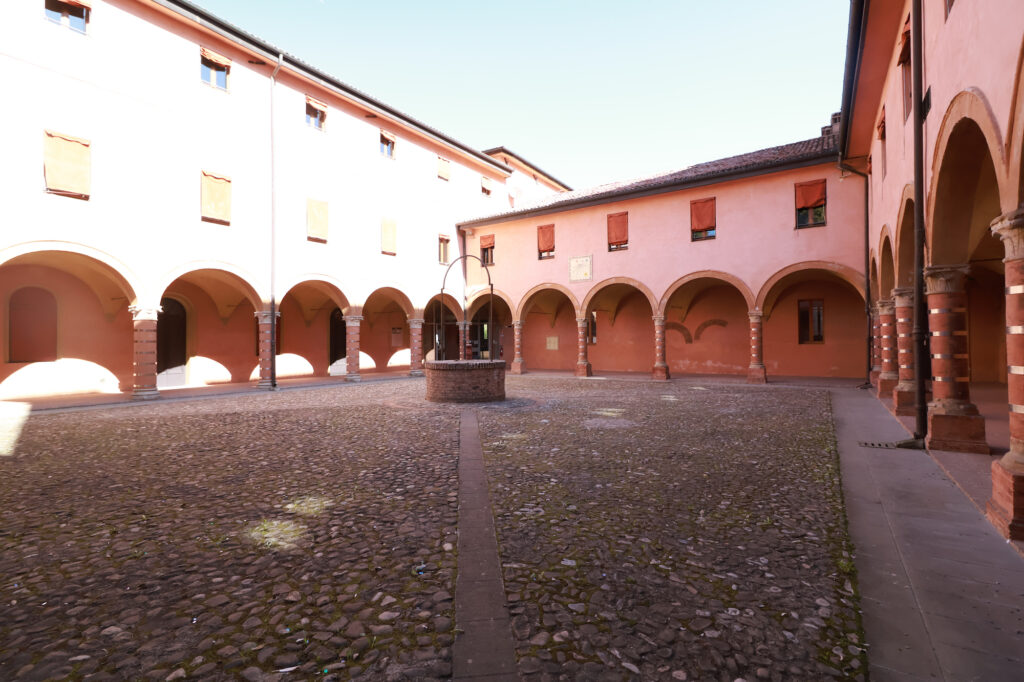
The last significant event prior to the reform and approval of the New Organic Statute of 1905 was the transfer, in 1886, of all the patients to the Pia Casa di Ricovero, established in 1830 in the former premises of the disbanded convent of the nuns of San Michele, thereby designating the Palace solely for the care of “harmless lunatics”.
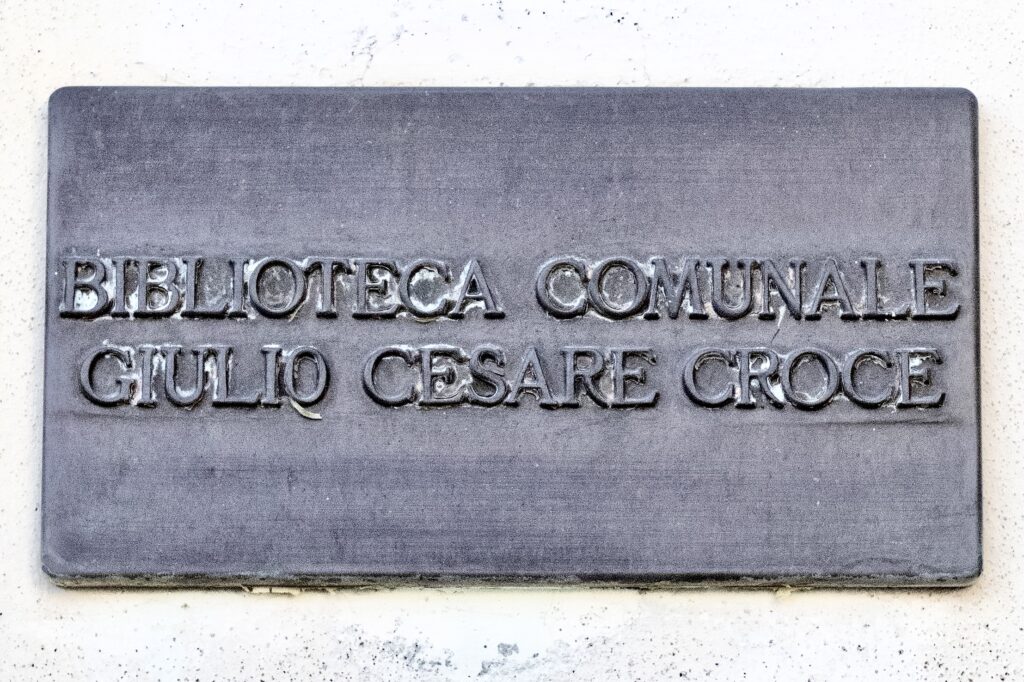
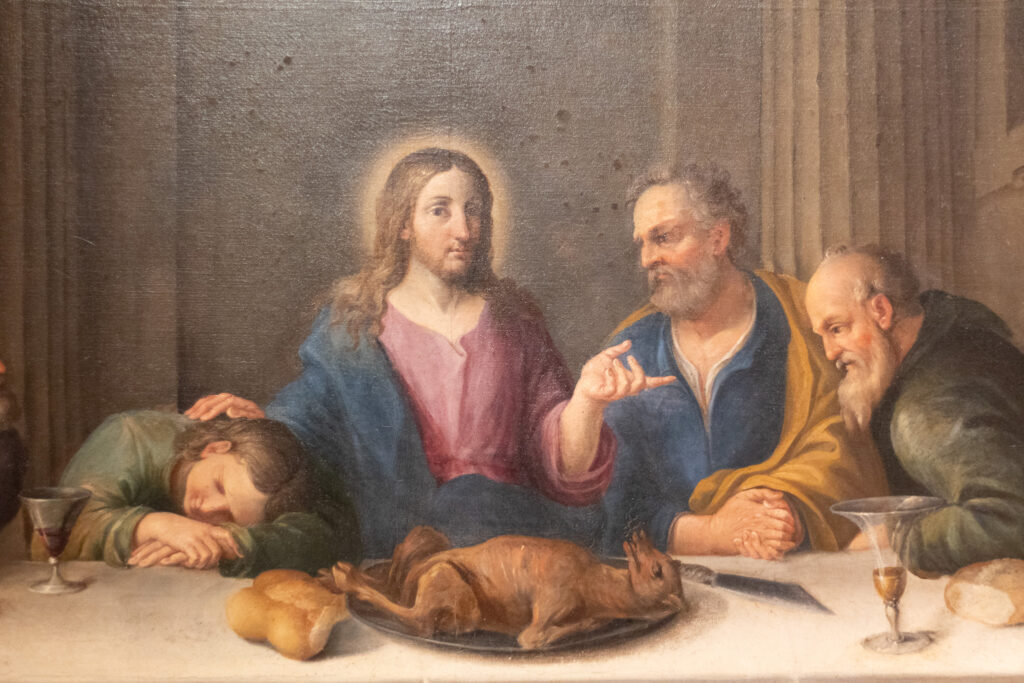
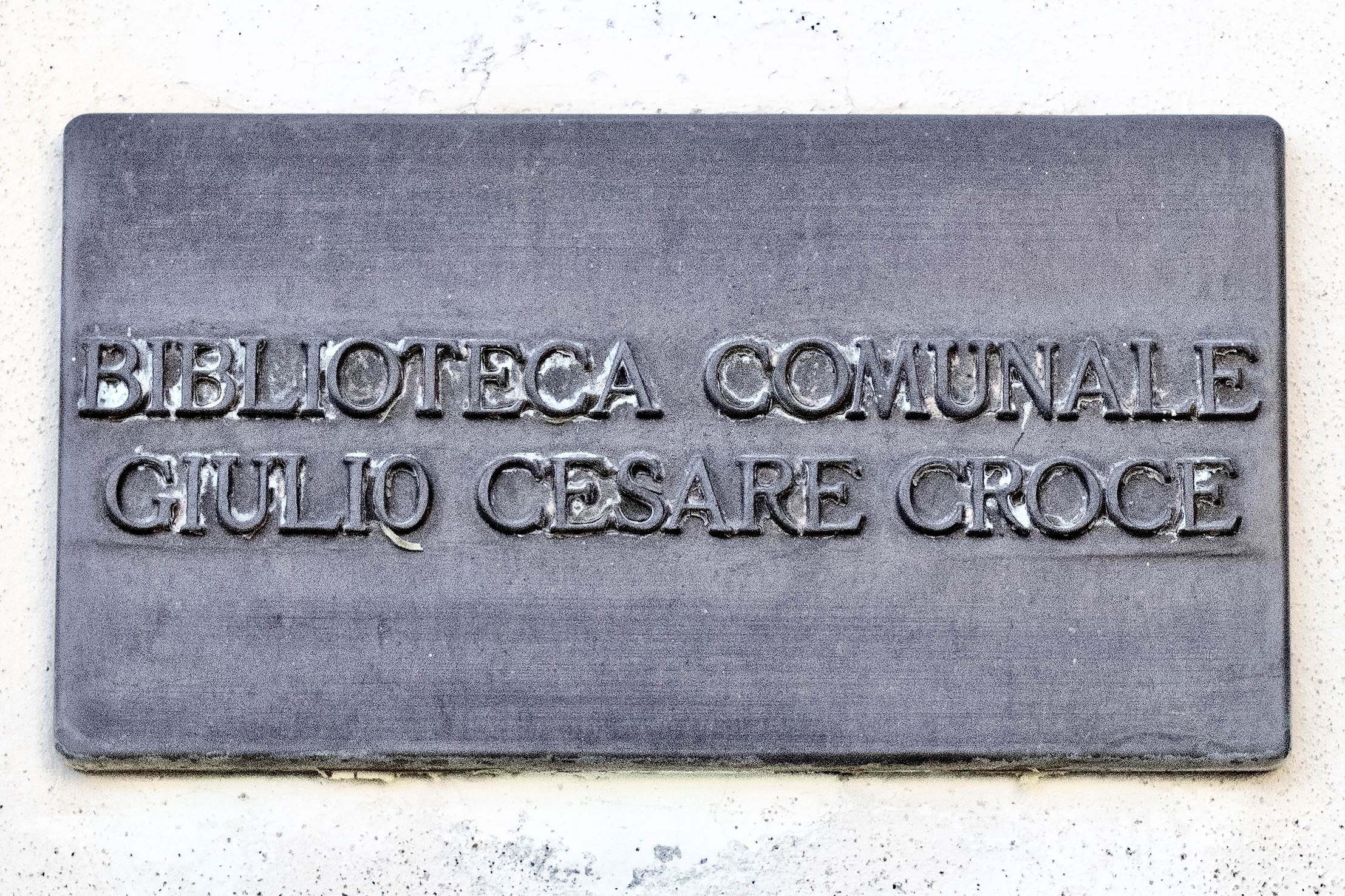
The Palace, which has been gradually but irrevocably stripped of its ancient and original purpose in favour of the aforementioned Pia Casa di Ricovero – which also adopted the new name of “Ospedale San Salvatore” – has, since 1959, housed the valuable and exceptionally well-stocked Municipal Library, named after the renowned 17th-century local writer Giulio Cesare Croce, and which also houses fine paintings from the Bolognese school (notably “The Fall from a Horse of St Paul”, attributed to the famous painter Giuseppe Maria Crespi).
A twenty-five-minute train journey from Bologna, eight kilometres from the Bologna-Modena motorway junction, on the Italian section of EuroVelo 7 for those arriving by bike.
San Giovanni in Persiceto station, Bologna–Verona line. Trains run every 30 minutes from Bologna Centrale; the journey takes 25 minutes.
A14 motorway, take the Borgo Panigale or Modena Nord exit, then the SS568. Free car parks near the city centre.
On the Ciclovia del Sole (EuroVelo 7), 25 kilometres from Bologna along the cycle path on the former railway line.
Save the attractions, plan your route, and follow the Cultural Metro lines.