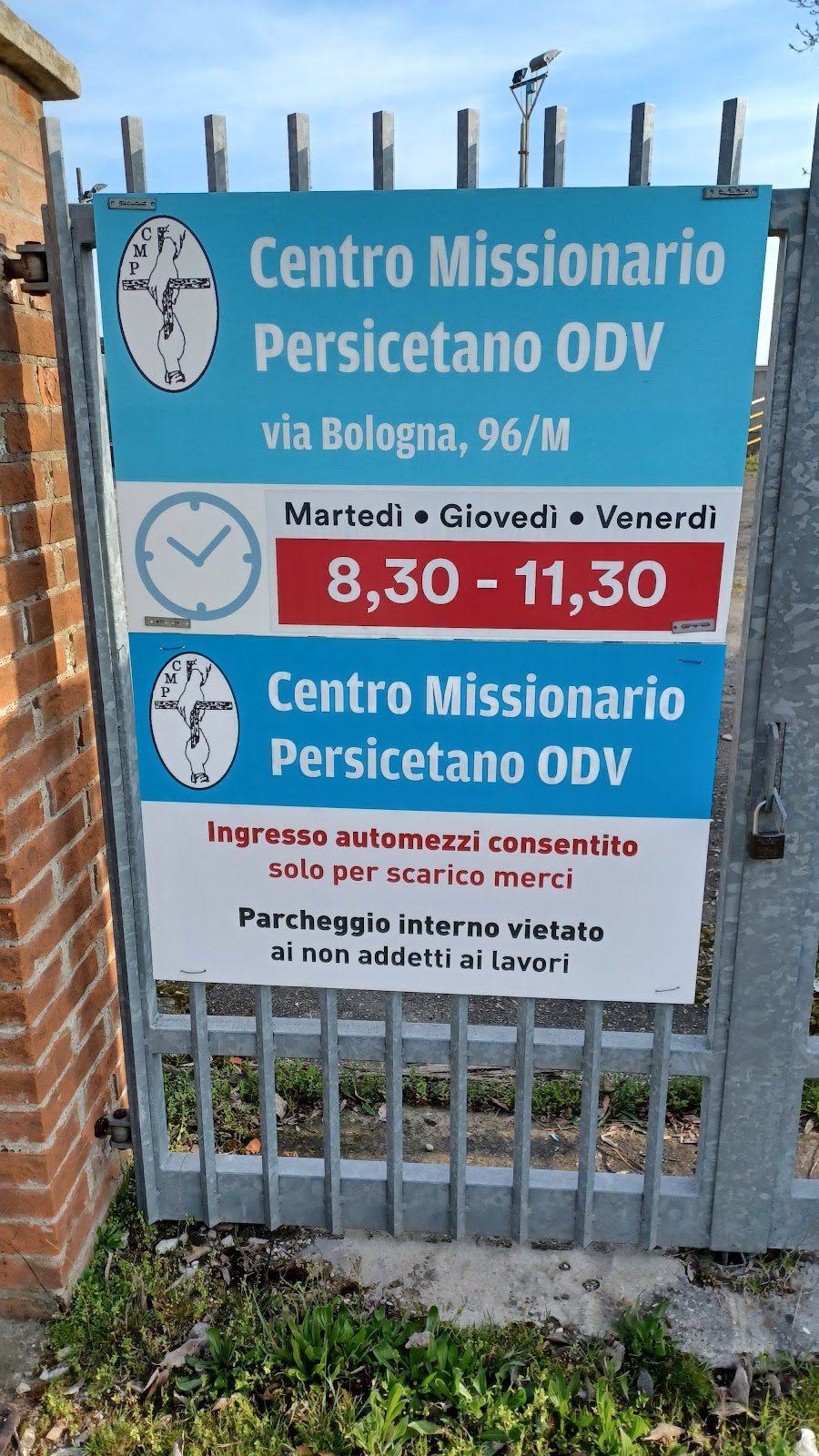
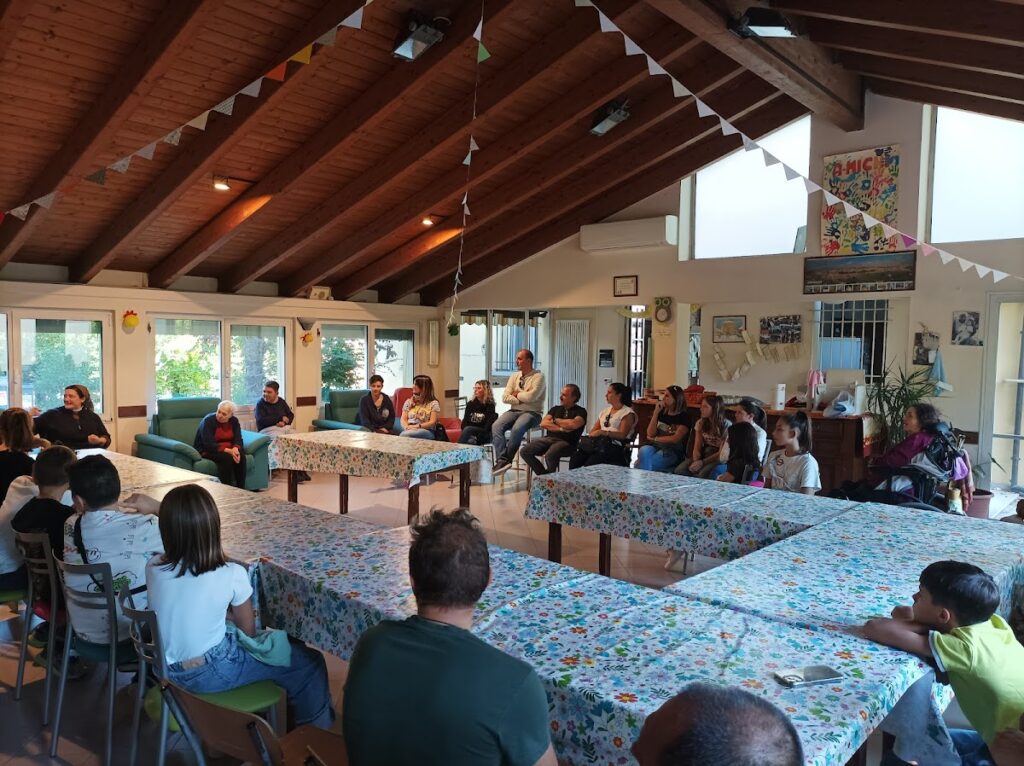
This place is like a beehive: so many people serve here and so many work here. From this shared and joyful labour, so much good springs forth. Wells, schools, orphanages, hospitals all over the world and projects serving our community are the fruit of those who live out the precious gift of selfless and generous voluntary service.
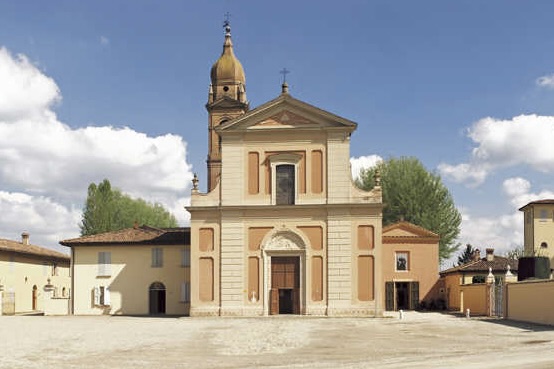
It is an offshoot – what we would call today a ’spin-off’ – of the Parish of St John the Baptist, set up to raise funds to help brothers and sisters in need. For many years, the centre’s work has primarily benefited sister parishes in Africa – in Uganda (Machiro) and Tanzania (Usokami) – though more recently local communities in need of support have also been included.
It all began in the late 1960s when the young people from the parish, inspired by the French Emmaus movement founded by Abbé Pierre, would, in September – before returning to school – collect, following a widespread campaign to raise awareness, discarded goods such as iron, paper and items that were no longer in use, to resell them and raise ‘lire’ to invest in aid for those in need.
At that time, the parish priest was Father Guido Franzoni, who, whilst visiting sister communities in Uganda, suggested how the proceeds could be used to help them.
Initially, the goods were collected, sorted and piled up in the parish courtyard, from where they were loaded into containers by professional collectors.
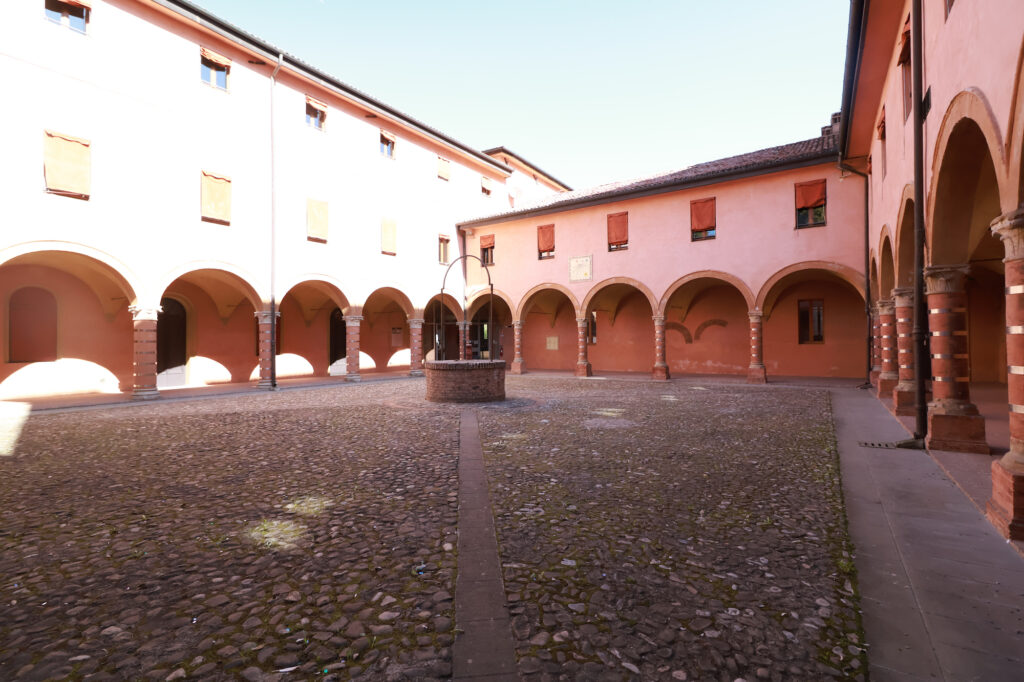
Subsequently, it was the courtyard of the Minime Sisters in Vicolo Quartirolo/Parco Pettazzoni that received the goods collected door-to-door, and indoor rooms were also made available there to sort through and organise new or good-quality clothing, ready for dispatch or for resale. All this was done with the aim of helping friends far away.
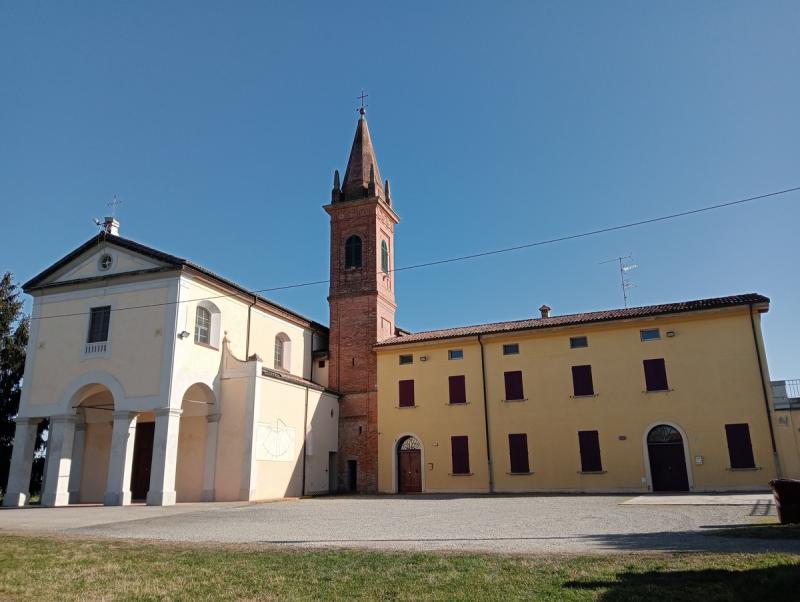
In the early 1990s, a significant step forward was taken, with the use of a warehouse that the parish had in the meantime had built on a large plot of land donated 30 years earlier to the parish itself by a generous local industrialist, Cav. Tamburi. Years earlier, an excellent and subsequently renowned vocational training centre for young people had already been built on the same site, which Father Guido had made available to INAPLI, the relevant national body. Later, in the late 1960s, a sports ground for young people was also built there.
In the large warehouse, however, and outside it, marketable goods were collected from that time onwards to be resold to official paper collectors (who no longer exist), as well as metals, clothing and many other items: from books to bicycles, from paintings to household appliances, from furniture to musical instruments, and so on.
This began at the same time as the official establishment of a private organisation, the Persicetano Missionary Centre, which was founded and approved by the new parish priest, Don Enrico Sazzini (to whom the centre was subsequently dedicated following his death), which has since managed the work of collecting, repairing and selling items, with the help of volunteers working on site; several of these volunteers have also travelled on multiple occasions on various and repeated missions to Africa, bringing with them working techniques and medical aid.
Locally, the market, where many local residents and people from other towns were able to find items of interest for modest sums; taken together, these contributions have bolstered the aid which – whether transferred or delivered in person by volunteers – has served, and continues to serve, to provide practical support to parishes and other organisations in need with whom we are in contact.
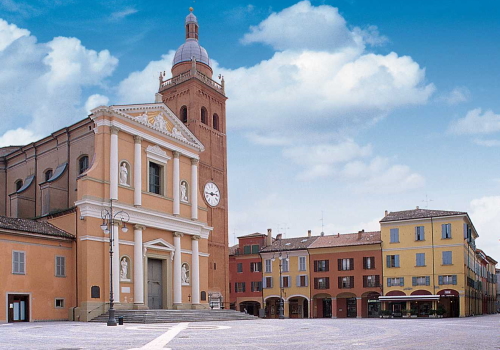
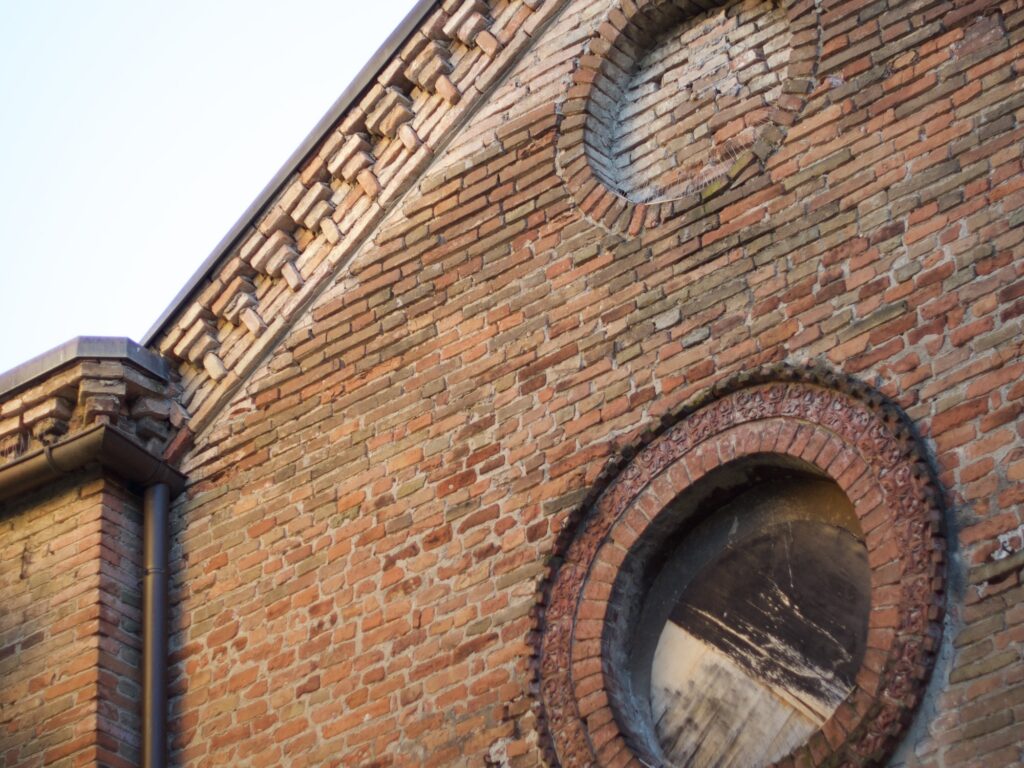
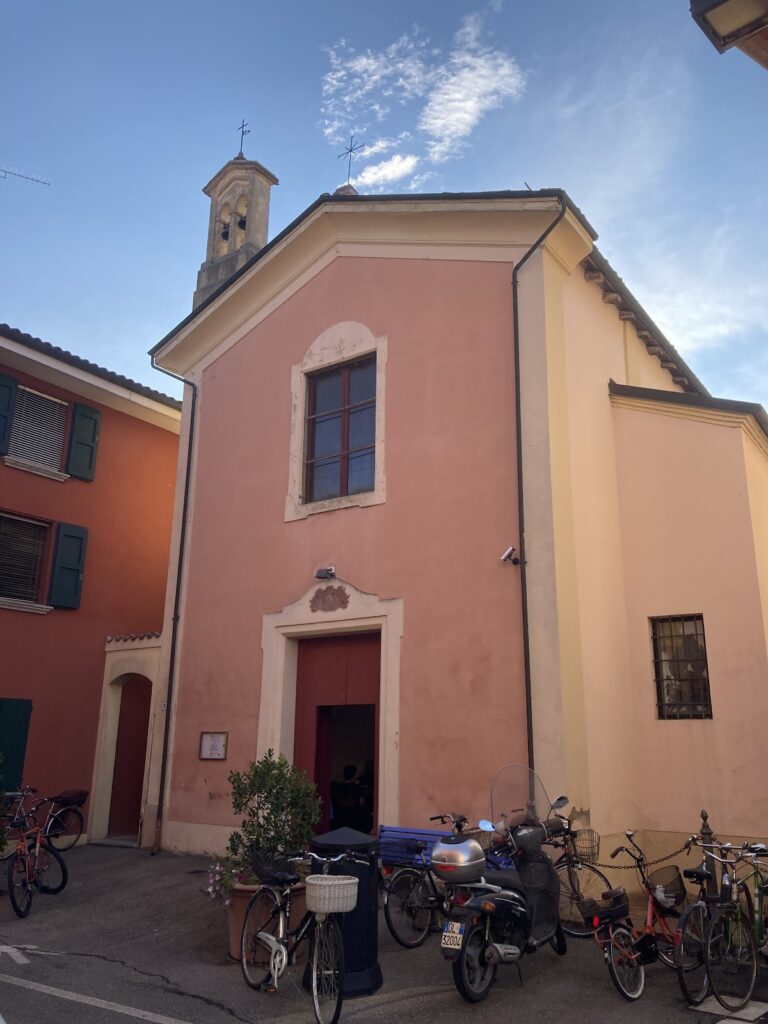
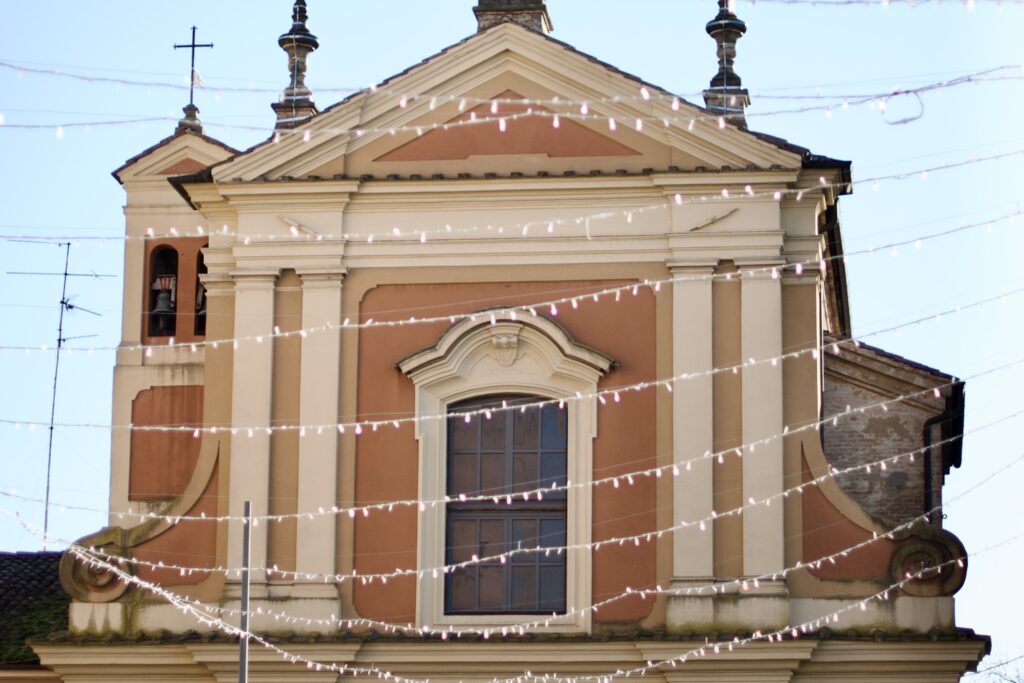
A twenty-five-minute train journey from Bologna, eight kilometres from the Bologna-Modena motorway junction, on the Italian section of EuroVelo 7 for those arriving by bike.
San Giovanni in Persiceto station, Bologna–Verona line. Trains run every 30 minutes from Bologna Centrale; the journey takes 25 minutes.
A14 motorway, take the Borgo Panigale or Modena Nord exit, then the SS568. Free car parks near the city centre.
On the Ciclovia del Sole (EuroVelo 7), 25 kilometres from Bologna along the cycle path on the former railway line.
Save the attractions, plan your route, and follow the Cultural Metro lines.